
How Often Should Safety Training Be Refreshed?
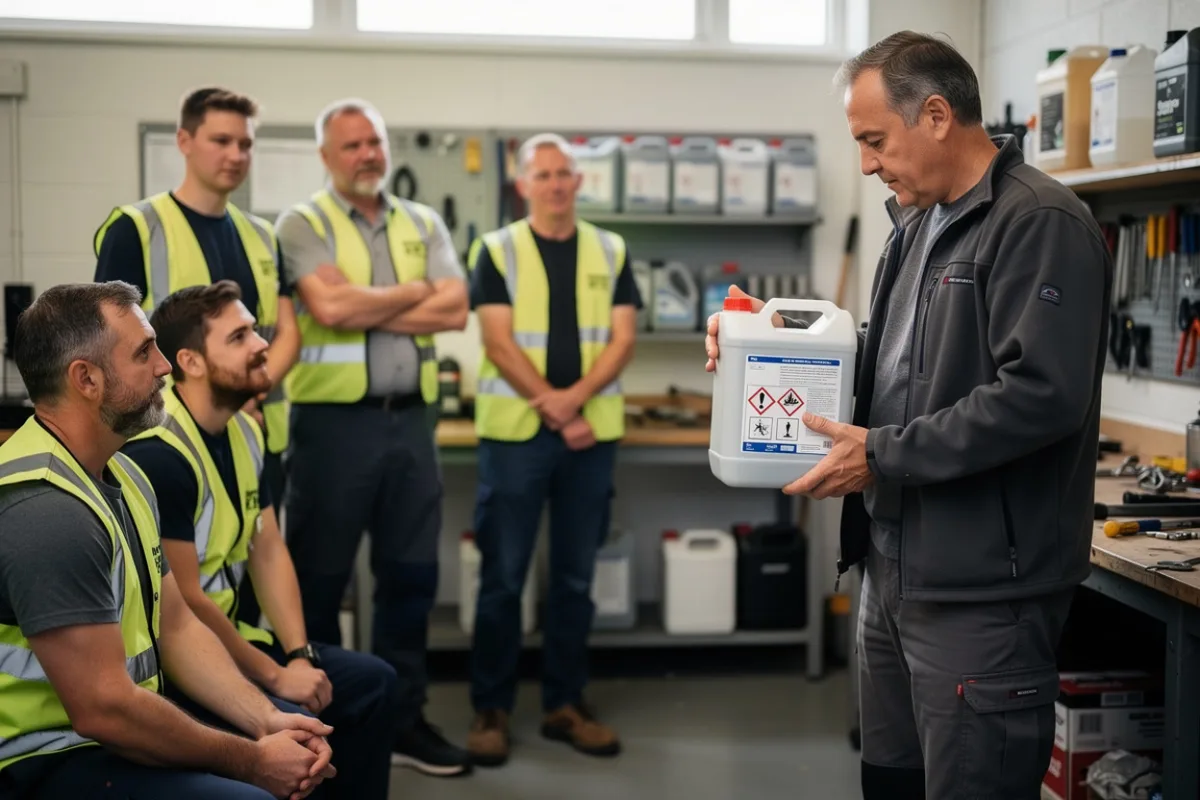
“How long is my safety certificate valid?” sounds like a simple question, but the answer depends on the course and the work. In Ireland, many employers use a recommended three year refresher cycle for general safety topics. That is a planning point, not a universal legal expiry for every training record. Some qualifications have different rules, and changed risks can make retraining necessary well before a date on a certificate.
Why three years appears so often
The HSA recommends manual handling refresher training at intervals of no more than three years, and sooner where work practices or equipment change. It also describes about three years as good practice for safety representative refresher training. These are topic specific recommendations, not proof that every workplace course has a legal three year lifetime. The manual handling training FAQs explain the manual handling position.
Safety Courses Online places a three year expiry or refresher date on many provider certificates. That is a useful reminder to review learning, but an employer should still decide what interval suits the task. A high risk process may need more frequent practice, while a low risk awareness topic may mainly require updates when the workplace changes.
Exceptions matter
First Aid Response (FAR), the standard the HSA identifies for workplace first aiders, has a two year certification period. A three year awareness course certificate cannot extend it. Safe Pass is a separate SOLAS programme with its own card and renewal rules. Equipment licences, site access rules or client requirements may set other intervals. Always check the specific scheme or site rule rather than copying one date across the whole training matrix.
The HSA first aid page sets out the FAR training period. The SOLAS Safe Pass page explains renewal routes. Keeping these alongside your internal refresher policy helps managers avoid telling staff that one generic expiry applies to every certificate.

What should trigger an earlier refresher?
New equipment, a changed task, a different work area or an updated procedure should prompt a training review. So should an incident, near miss, observed poor technique or a worker who says they are unsure. A person may have passed a course recently but never used the skill on the job. Short, practical coaching at the workstation may be the most useful response.
For manual handling, a new mechanical aid changes the way loads are moved. For work at height, a new access system may require equipment specific training and familiarisation. For fire wardens, a changed layout or assembly point calls for an immediate local briefing. Refresher training should follow the risk rather than wait for the calendar.
Separate three different dates
Record the course completion date, the provider certificate date or expiry and the employer's own next review date. These may not be identical. The provider's date is part of its certificate; the employer's review date comes from the role and risk assessment. A separate local induction date shows when a worker learned the actual site's rules. Keeping those fields distinct stops a certificate from being mistaken for a complete competence decision.
Also record what was checked. Did the employee complete theory only, pass a practical video assessment or demonstrate equipment use under supervision? A one line “trained” entry hides these differences. Good records help a supervisor assign work safely and explain a decision if an HSA inspector asks.
A practical review cycle for employers
Build a training matrix by role. Identify the course or instruction each role needs, who provides it, what evidence is retained and who reviews competence. Set reminders early enough to arrange places or practical assessments before a certificate date. At each review, ask whether the task, risk assessment or worker's performance has changed. Renew only what is relevant and add local coaching where it will make the biggest difference.
A manager should periodically walk the work area and ask people to describe the controls. If the explanation does not match the safety statement, fix the gap. Revising an online course assignment may be part of that; redesigning the task or updating equipment may matter more.

Choosing the next course
Use a refresher to rebuild useful understanding, not just collect a new PDF. For lifting work, Manual Handling includes an instructor reviewed practical video. For height risks, Working at Heights includes a harness fit video check. Other topics, such as Fire Warden, should be paired with local drills and instructions. The employer dashboard can help keep online completion dates visible across a team.
Three years is a sensible prompt for many reviews, and the HSA specifically recommends it for manual handling. Keep the schedule flexible enough to respond when work changes. The right question is not only “is the certificate in date?” but “can this person carry out this task safely with today's controls?”
What should a refresher contain?
A refresher should revisit the decisions that matter on the job. Start with incidents or near misses since the last course, then look at changed controls and common mistakes. For practical tasks, ask the learner to demonstrate the method using safe conditions and suitable equipment. Where the role involves emergencies, rehearse communication and local routes. Keep the session proportionate to the risk and record what competence was checked.
Do not assume repeating an identical slide deck every three years will solve a workplace problem. If workers continue to lift awkward loads, review storage and mechanical aids. If a warden cannot direct people to an exit, revise the local briefing and drill. The most useful refresher connects learning to the current workplace.