Fire Safety in the Workplace in Ireland
A workplace fire can take everything in minutes. This complete guide explains how Irish employers prevent fires, plan for escape and meet their legal duties.
Fire safety is a legal duty, not just good sense
A serious workplace fire can injure people, destroy a business and end livelihoods in minutes. In Ireland, preventing that outcome is a legal responsibility shared between general health and safety law and dedicated fire legislation. Employers and those in control of premises must take fire safety seriously and be able to show what they have done.
The foundations are the Safety, Health and Welfare at Work Act 2005which requires employers to protect employees so far as is reasonably practicable, and the Fire Services Acts 1981 and 2003, which place duties on those in control of premises to take reasonable measures to guard against fire and to ensure people can escape safely. Your local fire authority has powers to inspect premises and enforce these requirements.
Fire safety is about three things in order: stopping a fire starting, limiting how far it can spread, and making sure everyone can get out in time.
Start with a fire risk assessment
The cornerstone of workplace fire safety is a thorough fire risk assessment. It identifies how a fire could start, who could be harmed and what controls are needed. A practical assessment considers:
- Sources of ignition such as electrical equipment, heaters, hot work and smoking areas.
- Sources of fuel including paper, packaging, waste, flammable liquids and furnishings.
- Sources of oxygen that can feed a fire, including ventilation and oxygen cylinders.
- People at risk, especially visitors, lone workers and anyone needing help to evacuate.
- Existing precautions and where they fall short.
Core fire precautions every workplace needs
Detection and warning
People must be alerted quickly. Depending on the premises this means smoke or heat detectors, manual call points and an audible alarm that can be heard everywhere staff and visitors may be.
Means of escape
Clearly signed, unobstructed escape routes and exits should lead to a place of safety. Doors on escape routes must open easily, and emergency lighting should cover routes that could be used in poor visibility.
Firefighting equipment
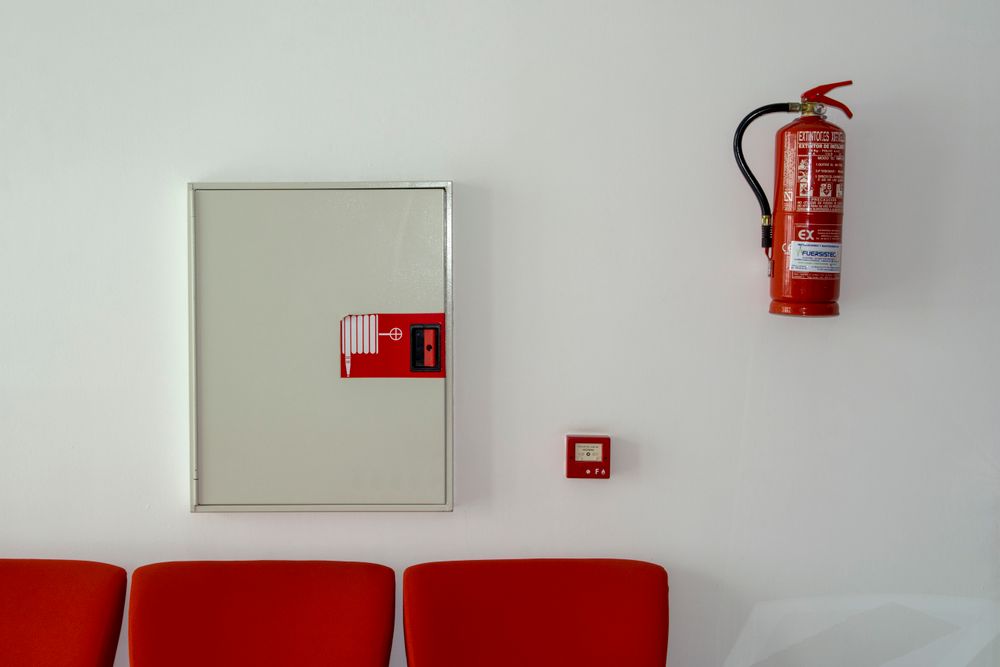
Suitable extinguishers, correctly sited and maintained, allow trained staff to tackle a small fire safely. The right type matters — using the wrong extinguisher can make things worse.
Key takeaways
- Fire safety is required under the 2005 Act and the Fire Services Acts 1981 and 2003.
- A fire risk assessment is the starting point for everything else.
- You need detection, warning, clear escape routes and the right firefighting equipment.
- Your local fire authority can inspect premises and enforce the law.
- Trained staff, regular drills and good housekeeping turn a plan into real protection.
People, plans and practice
Equipment alone does not save lives — people do. Appoint and train fire wardens to take charge in an emergency, prepare a clear emergency plan with assembly points, and run regular fire drills so everyone knows what to do without thinking. Make special arrangements for anyone who would struggle to evacuate unaided.
Fire Safety training from €35
Self-paced, HSA-aligned, certificate the same day — €35 per person.
Good housekeeping and maintenance
Many workplace fires are entirely preventable. Keep waste and combustible materials under control, store flammable substances correctly, maintain electrical equipment, and keep escape routes and fire doors clear at all times. Test alarms and emergency lighting on a regular schedule and keep records of every check, drill and item of maintenance.
Building a simple fire emergency plan
Every workplace should have a clear, written fire emergency plan that staff actually understand. It does not need to be complicated. A good plan sets out how the alarm is raised, the action people take when they hear it, the escape routes and final exits to use, where the assembly point is, and who is responsible for calling the fire service and accounting for everyone.
Share the plan during induction, display key information where people can see it, and test it with regular drills. A plan that lives in a folder helps no one; a plan that staff have practised becomes second nature when it matters most.
Insurance, business continuity and reputation all benefit from strong fire safety too. A workplace that takes prevention seriously is less likely to suffer a damaging interruption, and far better placed to recover quickly if the worst does happen. In other words, getting fire safety right protects not only lives but the future of the business itself.
Fire safety is a continuous process, not a box to tick once. To go deeper, read our guides to the fire warden's role and responsibilities and the fire safety legal duties of Irish employers, and make sure your team knows how to use a fire extinguisher safely.